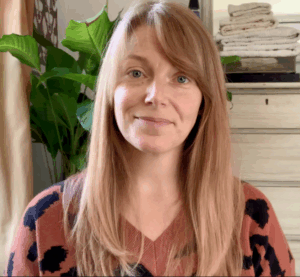
Music has the ability to calm us down, take us back to favorite memories, process difficult experiences, and create moments of joy. Our Music Therapist, Jenny Lynn Moyer, shares some tips on how to use music for self-care.
Create a playlist, filled with songs that have had significant meaning to you throughout your life
- Something that motivates and boosts you up (i.e. what you may have listened to before playing sports)
- A song you’ve listened to with friends
- Songs from your childhood, or ones your parent or grandparent may have sang to you
- Consider this your “SOS” playlist – something that can help you through the trials of 2020.
Jenny Lynn’s recommendation – Lovely Day, by Bill Withers
Use music to calm your nerves
- If you’re trying to relax, pick songs that have slow tempo, measured by beats per minute (i.e. a clock ticks at 60 beats per minute)
- Any song that is 80 beats per minute is effective in calming our nerves
- Slower songs can create a physiological response, where our breathing and heart rate can slow down, often allowing us to release tension we don’t realize we are holding.
Jenny Lynn’s tip – use www.songbpm.com to find out what tempo some of your favorite slow songs are at.
Use music to process difficult emotions
- Sometimes, we have a lingering emotional response to difficult situations
- Finding closure for those emotions can help you carry on and move forward
- Find songs that speak to the difficulty of a situation and help motivate you to go about your day
A song that helps Jenny Lynn affirm her emotional response and prepare for patient visits – Mercy, by Dave Matthews Band
Have a song that helps you transition between roles in your life
- This can encourage you to bring closure to a particular time or task in your everyday life
- We can then be fully present for the next thing we do
- For caregivers in particular – having a song that helps you shift between the responsibilities of caregiving, your career, your personal life, and time for yourself
Jenny Lynn’s transition song – Closing Time, by Semisonic
Make music for yourself
- You don’t need to be a professional singer or musician – everyone can make music in a way that works for them
- You might enjoy singing in the shower, or in the car, tapping on the wheel or dashboard
- Let yourself burst out into song and connect with others through music
- Now might be a good time to pick up an instrument you’ve always wanted to try
A quote about singing that Jenny Lynn finds poignant –
“The act of singing together makes us realize we’re human beings” – Pete Seeger
Jenny Lynn leaves you with a song that embodies these tips of how music can be soothing and provide self-care – You Gotta Be, by Des’ree.
Based on content from Jenny Lynn Moyer, MT-BC, FAMI | Montgomery Hospice and Prince George’s Hospice Music Therapist


 Events
 Tools & Resources
 Get Involved
 Donate
 Contact Us