
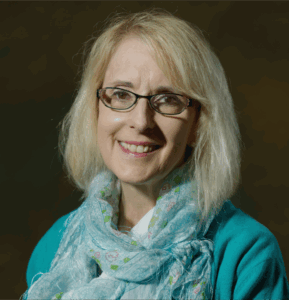
When our patients enroll in hospice, they have an interdisciplinary team consisting of a nurse, chaplain, social worker, aide, and a physician. Throughout this process, many of their emotional and logistical needs are supported by social workers, who serve as their advocates – listening to the patient and family’s needs and addressing them. This month, we met with a Montgomery Hospice and Prince George’s Hospice social worker, Beth Kreimeyer, to discuss the role that social workers play in hospice, and how our patients and families can benefit.
One of the challenges that people have when they choose to go into hospice is that they have to think ‘differently’. Some join because they stopped eating, or their doctor recommended it – we help patients and their families transition from a model of fixing things, to a model of comfort and quality. No one is giving up on them – we are addressing their change in goals and giving them the journey they want.
We ask, “What is most important to you? How do you want to live now?” In the course of a medical illness, you may have received several doctor recommendations, family input, and read up on options online. By determining what you would like in this stage of your life-limiting illness, we are able to help you explore what that goal looks like.
My role is to be an advocate of the patient and their family. We are trained listeners, as well as agents of change; taking a thought or need and seeing if we can make it a reality. We help patients prepare for the rest of this journey, and help their families navigate the complicated emotions they may feel as caregivers and loved ones. Each patient is different, and can have their own priorities, so my role is based on their needs.
Navigating this part of your journey and making decisions can be overwhelming. We are there to listen to the things that you want, that your family members are concerned about, and to be your voice to the medical field. Being part of hospice means you are given an extra layer of support through an interdisciplinary team, so you don’t have to do everything alone.
It comes back to listening to the patient and their wishes, and looking at what is possible. Sometimes, patients and their family members may have differences of opinion on next steps. We are able to mediate these conversations and give patients and families a safe place to communicate and express their concerns. We can counsel families in group settings or individually – to understand one another and reach consensus on what is best for their loved one, and most realistic. Our services aim to support our patients and their family members throughout this process; we also offer volunteer support and complementary therapies such as Reiki or Music Therapy if they are interested.
For family members and caregivers, the support is not only during a loved one’s illness, but after as well. Family members may feel anticipatory grief and/or relief, after taking care of loved ones. We can help navigate the myriad of emotions you may experience in your differing roles, and help you process your grief. Our Bereavement Counselors also communicate with and help families in the months after their loved one’s death.
On any given day or visit, I listen to the patient and family’s immediate needs and address them. This could include financial paperwork, getting medical equipment, navigating family-medical leave, finding a caregiver or home health aide, or preparing Advance Care Planning documents. We can also serve as translators between patients and their doctors, in finding medically appropriate solutions to fulfill the patient’s wishes. We can help patients experience personal events that are meaningful to them, within the recommendations of medical professionals.
Oftentimes, we can assist you personally, or help in finding community-based resources for your specific needs.
With hospice care, we are able to help patients and families make the transition to more home-based care – giving them the opportunity to stay in the comfort of their own home and family unit, rather than being isolated in a hospital or making trips back and forth.
COVID-19 gave this a whole new meaning – hospices are able to take care of many symptoms and limit exposure to hospitals when patients are in a fragile state. We are available 24 hours, 7 days a week, to address issues that may come up. Even in extenuating circumstances, we are able to send our patients to Casey House, our in-patient acute care facility, to help manage their symptoms and pain.
My goal is to help patients and their families experience the end-of-life journey that they want. However that looks, I want to help make it possible.
We thank Beth for sharing her expertise and explaining the valued role of a social worker and patient advocate in hospice care. To learn more about our services, visit www.montgomeryhospice.org/services.
Content adapted from interview between Beth Kreimeyer and Meghna Taneja, Montgomery Hospice and Prince George’s Hospice staff.

 Events
 Tools & Resources
 Get Involved
 Donate
 Contact Us